- Browse All
- Hood & Front End
-
Cab & Sleeper
- Cab Assembly
- Sleeper Assembly
-
Cab Exterior
- A Pillar Panel
- Accessory, Work Light
- Air Cleaner
- Air Conditioner Evaporator
- Air Conditioner Hose
- Air Conditioner Misc Parts
- Air Conditioner Receiver / Dryer
- Air Conditioner Seals & Orings
- Antenna
- Back Glass
- Body, Misc. Parts
- Bracket, Chassis Fairing
- Brackets, Misc
- Cab Jack
- Cab, Misc. Parts
- See More...
- Cab Interior
- Door
- Dash
- Sleeper Exterior
- Sleeper Interior
- Glass
- Browse All
- Engine
- Drivetrain
-
Axle & Wheel End
- Front Differential
- Rear Differential
- Non-Driven
- Drive
-
Differential Components
- Axle Shaft
- Carrier and Cap (Front)
- Carrier and Cap (Rear)
- Diff & Pd Clutch Collar
- Diff & Pd Shift Fork
- Diff (Inter-Axle) Component
- Diff (Main) Parts & Assembly
- Diff Adjuster
- Diff Clutch Plate
- Diff Planetary Gear
- Diff Sun Gear
- Differential Bearing Kit
- Differential Case
- Differential Seal
- Differential Side Gear
- See More...
- Air System
- ABS & Electronics
- Hub & Brakes
- Wheel & Tire
- Cut Off
- Browse All
- Chassis
- Steering & Suspension
- Exhaust & Aftertreatment
- Truck Equipment
- Trailer
- Accessories
- Axle
- Cab
- Body
- Cooling
- Electrical
-
Engine & Drive
- Starter
- Oil Cooler
- Air Cleaner
- Fan Blade
- Exhaust
- Filter / Water Seperator
-
Transmission
- Equip Trans Clutch/Converter Housing
- Equip Transmission Brake
- Equip Transmission Case
- Equip Transmission Clutch Assy
- Equip Transmission Control Module
- Equip Transmission Cooler
- Equip Transmission Fork
- Equip Transmission Gear
- Equip Transmission Input Shaft
- Equip Transmission Misc Parts
- Equip Transmission Seal
- Equip Transmission Sensor
- Equip Transmission Shifter, Electronic
- Equip Transmission Shifter, Manual
- Equip Transmission Support Bracket
- See More...
- Torque Converter
- Transfer Case
- Drive Shaft
- Radiator Overflow Bottle
- Engine Assembly
- Browse All
- Other
- Hydraulics
- Steering
- Wheel & Brakes
- Attachments
- Track
Anatomy of a Heavy Duty Truck: Every Major Component Explained
An Illustrated Guide to Understanding How Commercial Trucks Work
Heavy-duty trucks are among the most sophisticated machines on the road. A modern Class 8 tractor contains thousands of individual components working together to move loads weighing up to 80,000 pounds—or much more with special permits.
Whether you're purchasing a used truck, ordering replacement parts, managing a fleet, or simply interested in how commercial trucks work, understanding the major systems can help you make better maintenance and repair decisions.
At Vander Haag's, we've spent decades inspecting, dismantling, rebuilding, repairing, and selling heavy-duty trucks and components. This guide explains the purpose of every major system, common failure points, maintenance tips, and what to look for when buying replacement parts.
Chassis Overview
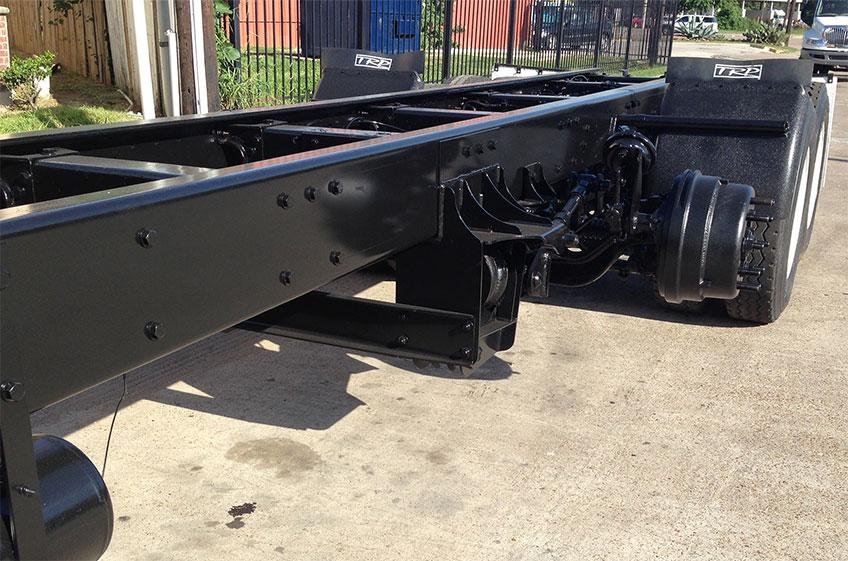
Before diving into individual components, it's helpful to understand how everything fits together.
The frame rails serve as the backbone of the truck. Mounted to the frame are:
Each system depends on the others for safe, reliable operation.
The Diesel Engine

The engine converts diesel fuel into mechanical power.
Modern heavy-duty engines commonly range from 350–605 horsepower while producing over 1,000–2,050 lb-ft of torque.
Major engine components
Common problems
-
- Oil leaks
- Coolant leaks
- Turbo failure
- Injector wear
- Overheating
- Head gasket issues
- Bearing wear
Maintenance
-
- Change oil on schedule
- Replace filters
- Monitor coolant
- Watch temperatures
- Repair leaks promptly
Turbocharger
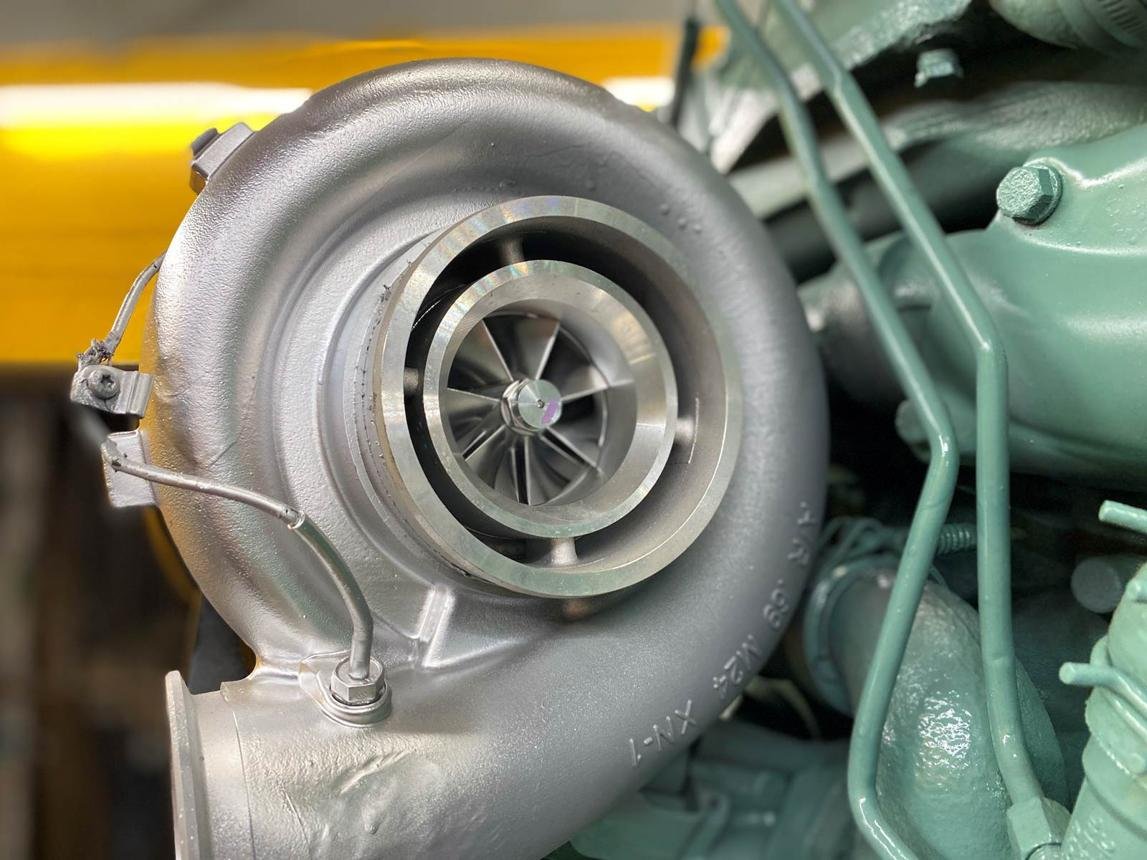
The turbo uses exhaust gases to force more air into the engine.
Benefits include:
-
- Increased horsepower
- Better fuel efficiency
- Lower emissions
- Improved altitude performance
Watch for
-
- Oil leaks
- Shaft play
- Excessive smoke
- Loss of power
- Whining noises
Cooling System
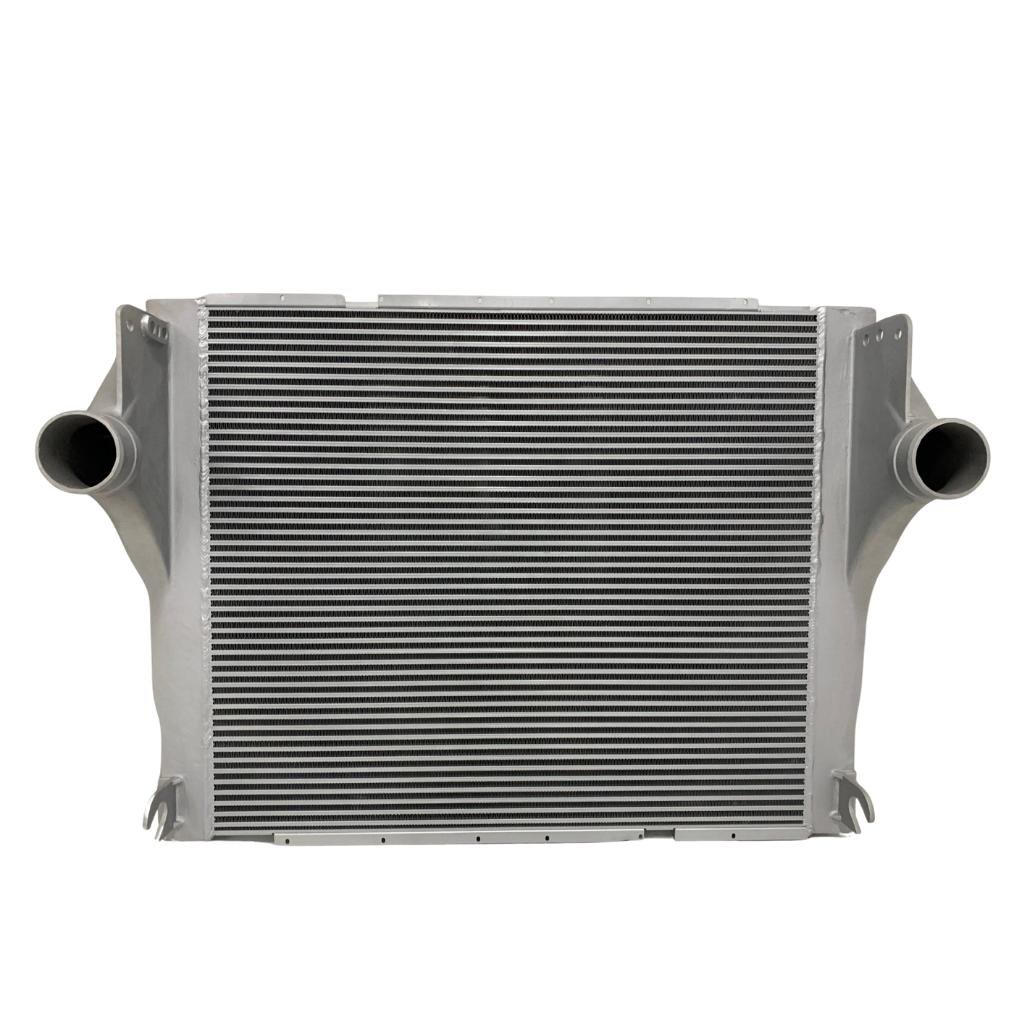
The cooling system prevents engine overheating.
Major components include:
Ignoring cooling system maintenance is one of the fastest ways to shorten engine life.
Fuel System
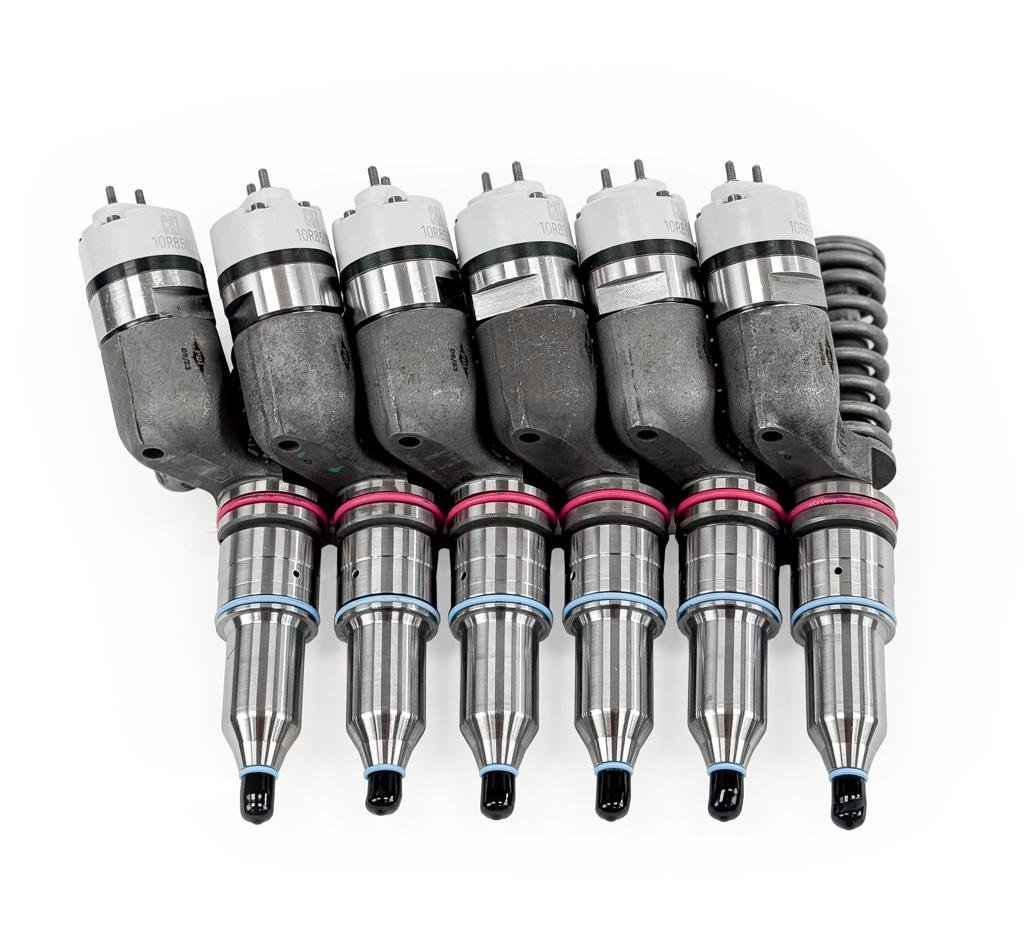
The fuel system delivers clean, pressurized diesel fuel to the engine.
Components include:
Dirty fuel is one of the leading causes of injector problems.
Air Intake & Emissions
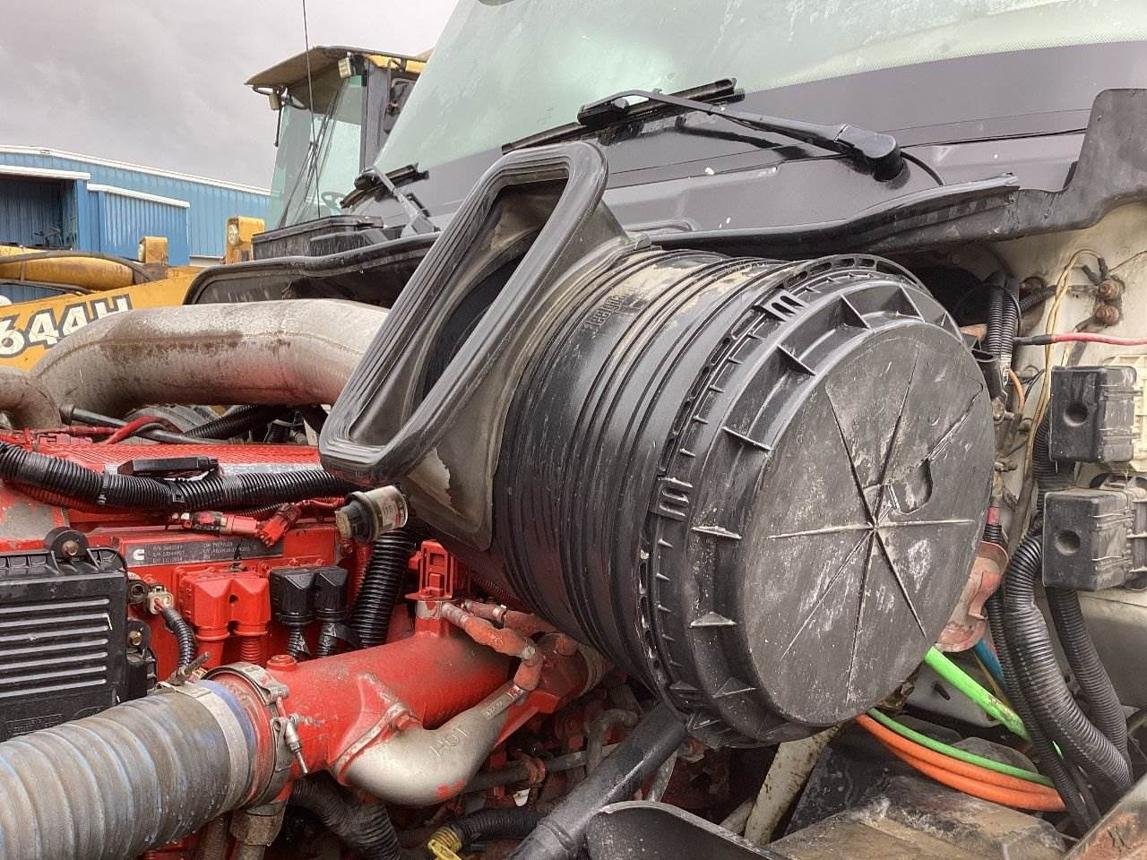
Modern emissions systems reduce pollutants while maintaining performance.
Major components include:
Regular maintenance is essential for reliable operation.
Transmission

The transmission transfers engine power to the driveshaft.
Common types:
-
- Manual
- Automated Manual (AMT)
- Automatic
Common failures
-
- Bearing wear
- Synchronizers
- Input shafts
- Clutch wear
- Oil leaks
Clutch
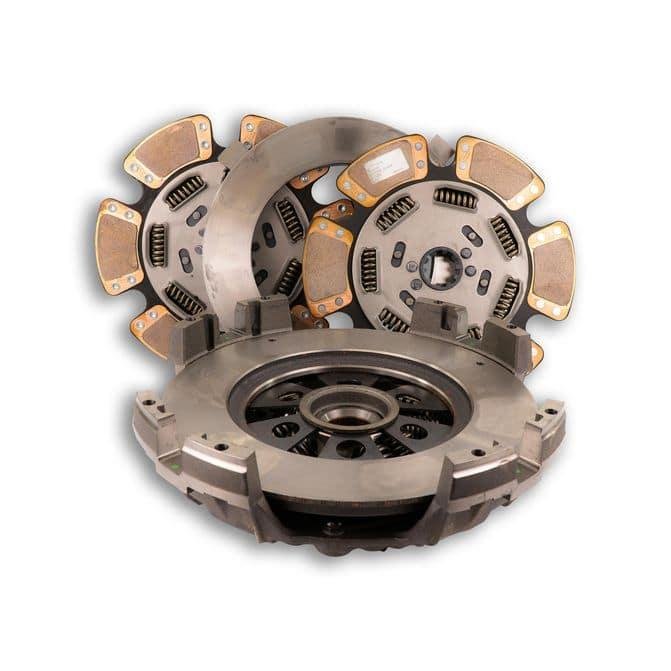
The clutch connects and disconnects engine power from the transmission.
Signs of wear include:
-
- Slipping
- Hard shifting
- Burning smell
- Chatter
- Pedal vibration
Driveshaft
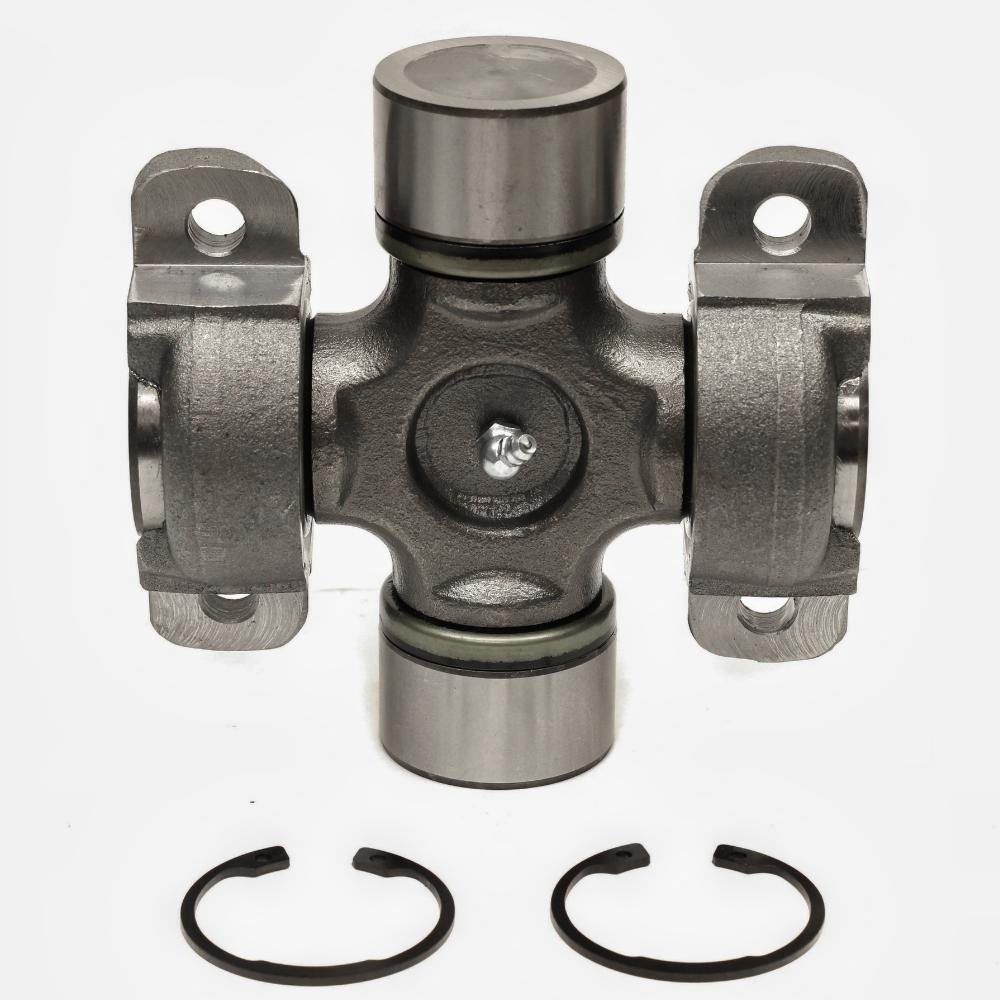
The driveshaft transfers power from the transmission to the differential.
Important components:
Routine greasing dramatically increases driveline life.
Differentials
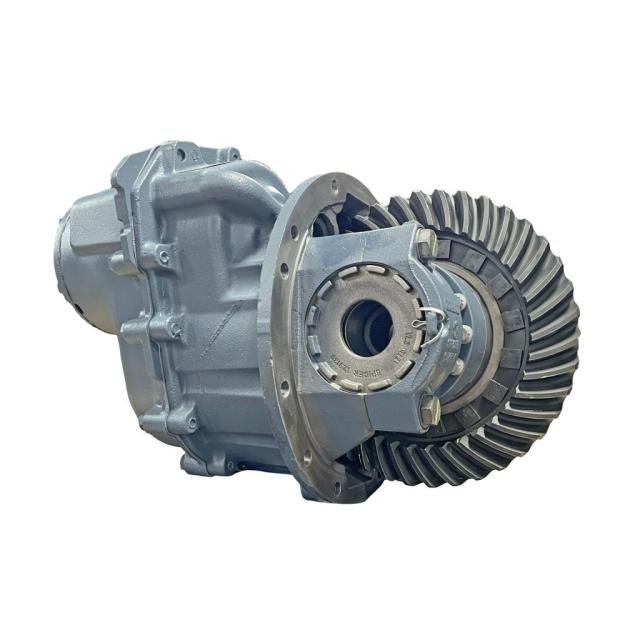
Differentials multiply torque while allowing the wheels to rotate at different speeds during turns.
Common problems include:
-
- Bearing wear
- Gear wear
- Oil leaks
- Excessive backlash
Axles

Axles support the vehicle's weight while transferring power to the wheels.
Types include:
Suspension
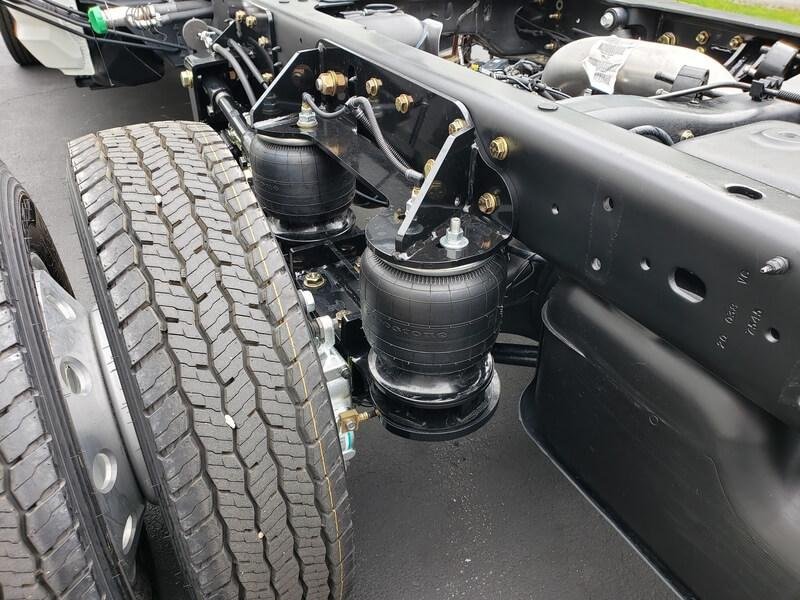
The suspension supports the truck while improving ride quality.
Common components include:
Poor suspension maintenance often leads to uneven tire wear.
Steering System
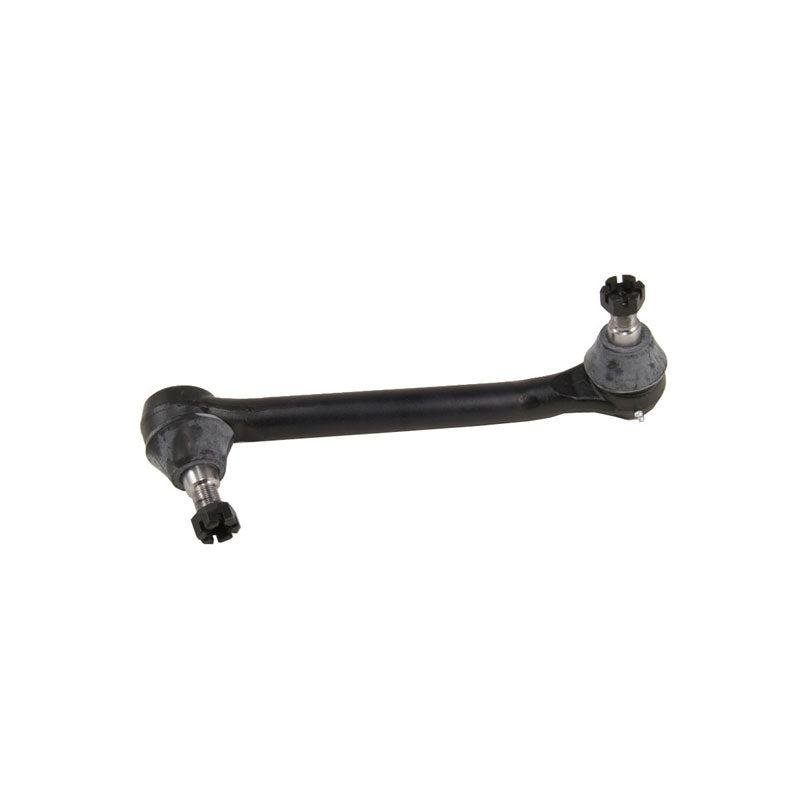
The steering system controls vehicle direction.
Major components include:
Loose steering is often caused by worn linkage components.
Brake System
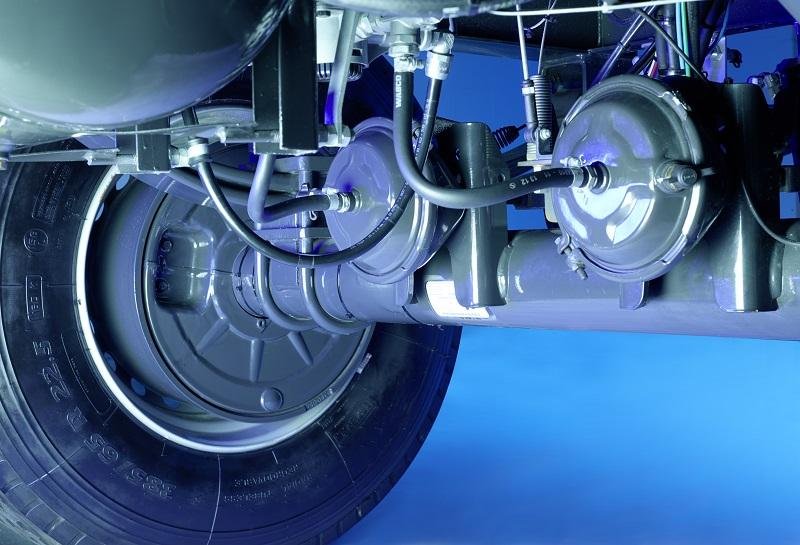
Commercial trucks use compressed air rather than hydraulic brakes.
Major components include:
Air leaks should never be ignored.
Wheels & Tires
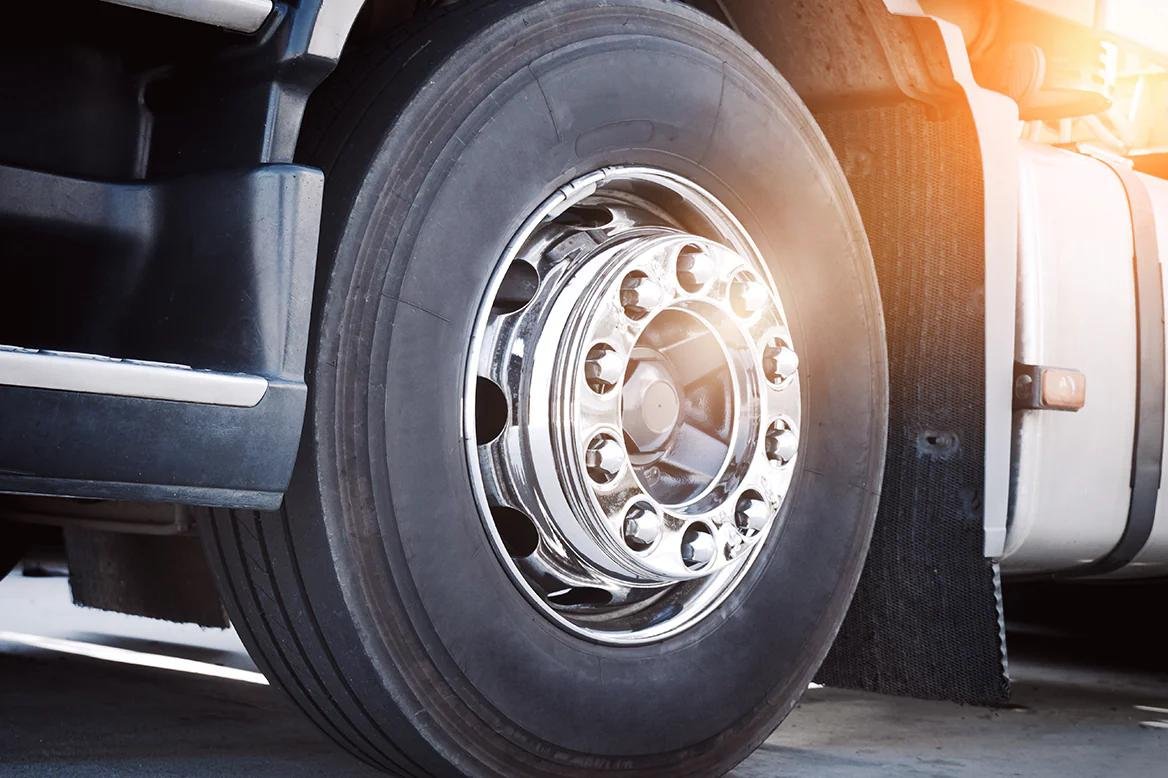
Tires affect:
-
- Fuel economy
- Handling
- Ride quality
- Braking
- Safety
Uneven wear often indicates alignment or suspension problems.
Electrical System
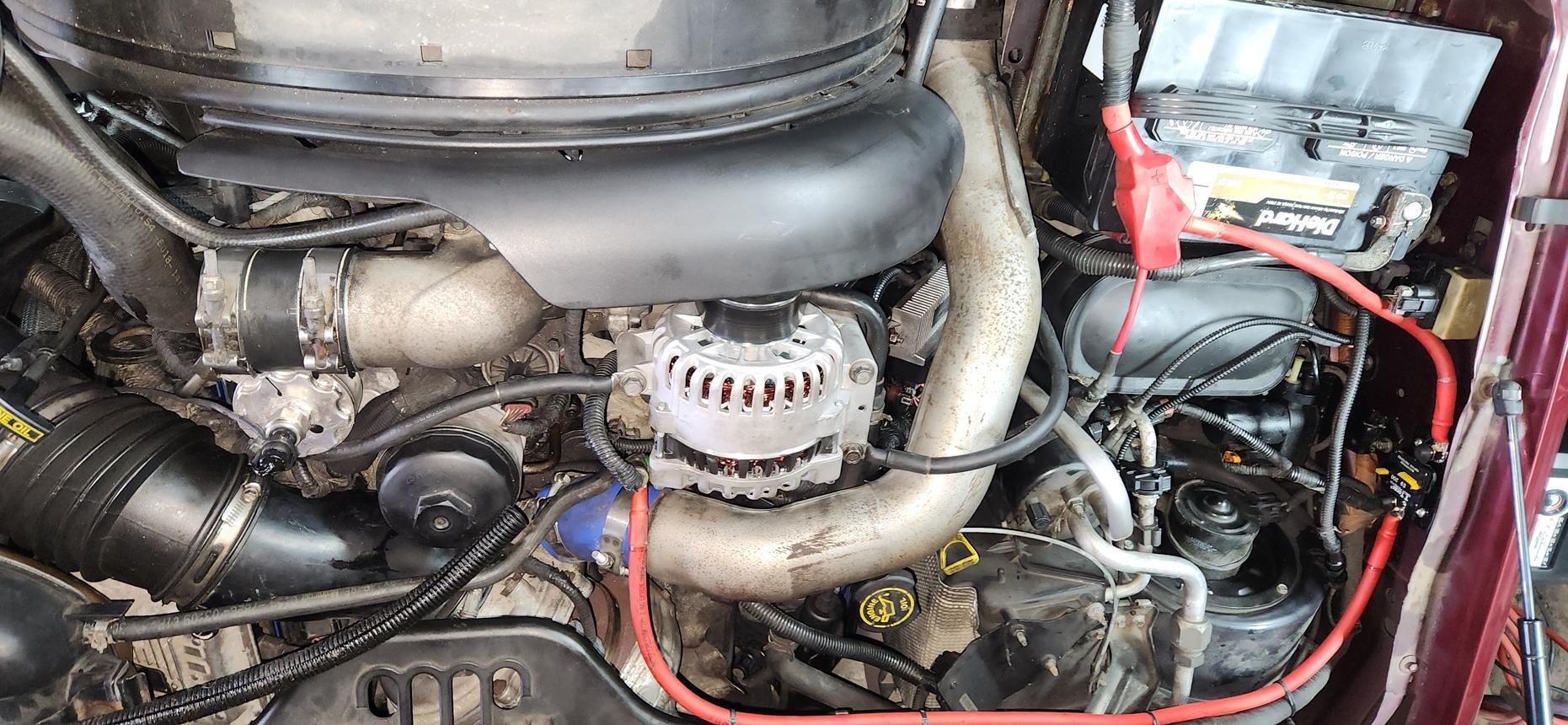
Modern trucks depend heavily on electronics.
Major components include:
Electrical issues often begin with poor grounds or corroded connections.
Cab
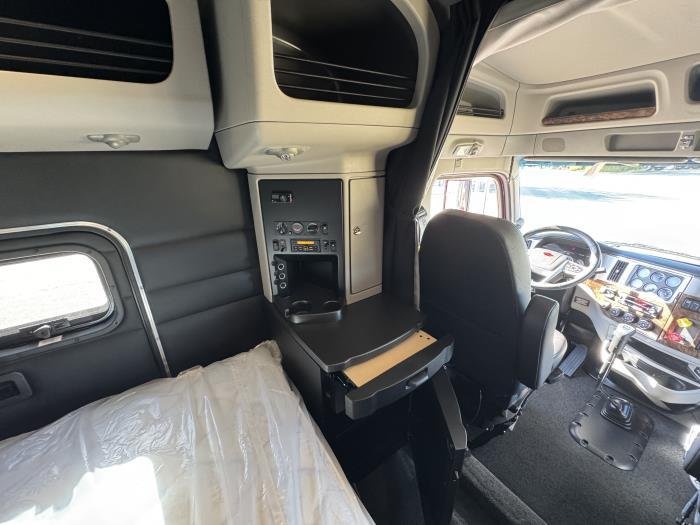
The cab houses the driver and controls.
Systems include:
A comfortable driver is generally a safer and more productive driver.
Fifth Wheel
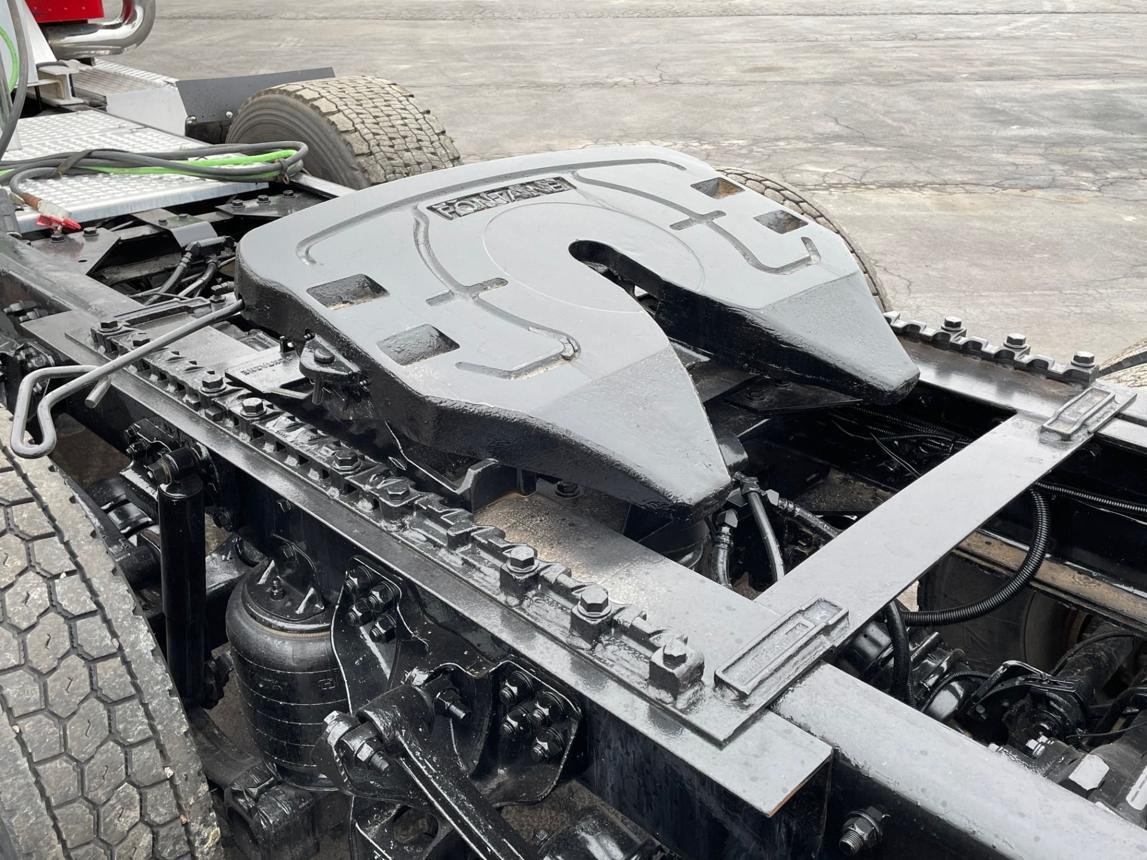
The fifth wheel connects the tractor to the trailer.
Routine maintenance includes:
-
- Lubrication
- Jaw inspection
- Mounting bolts
- Lock adjustment
A poorly maintained fifth wheel can lead to expensive repairs and unsafe conditions.
Frame
Everything mounts to the frame.
Inspect for:
-
- Rust
- Cracks
- Previous repairs
- Bent rails
- Loose crossmembers
The frame is one of the most important structural components on the truck.
Body & Exterior Components
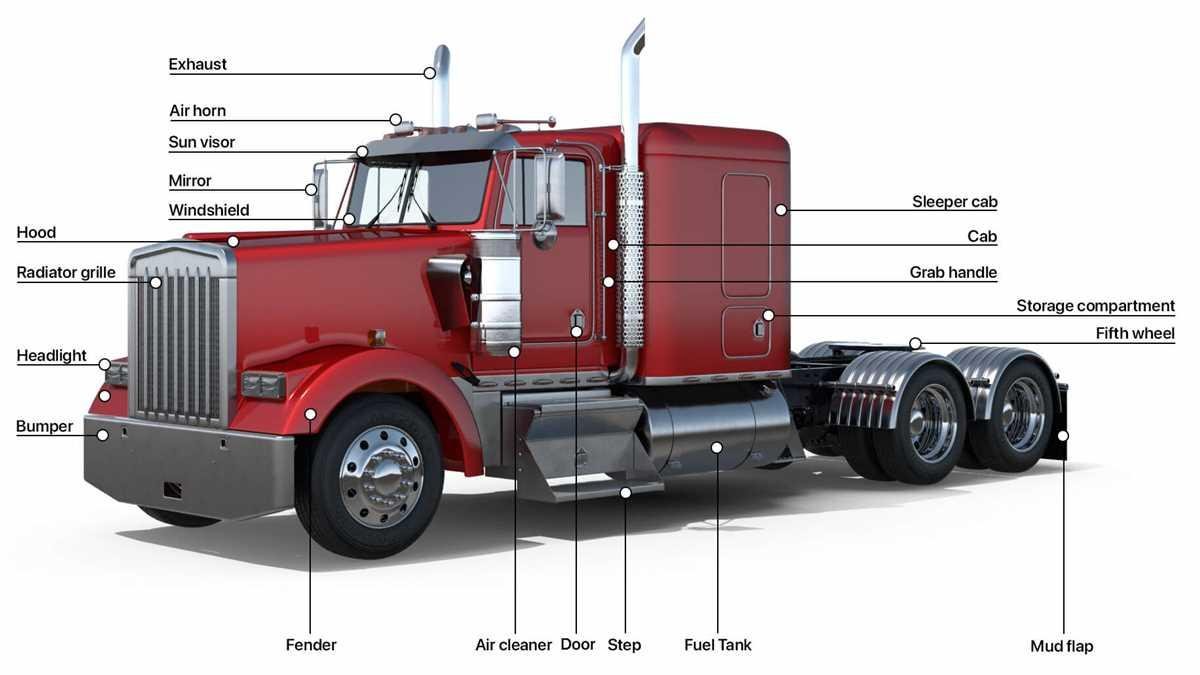
Exterior components include:
Many damaged body parts can be replaced with quality used OEM components that offer factory fit and appearance.
Putting It All Together
Every major component on a heavy-duty truck depends on the systems around it. A neglected cooling system can damage an engine. Worn suspension components can shorten tire life. A leaking wheel seal can lead to brake repairs. Understanding how these systems interact helps owners, drivers, and fleet managers make informed maintenance decisions that reduce downtime and extend the life of their equipment.
While no truck lasts forever, consistent inspections, preventive maintenance, and timely repairs allow many commercial trucks to provide reliable service for hundreds of thousands—or even more than a million—miles.
Tips From Our Team
One of the advantages we have at Vander Haag's is seeing trucks from every stage of their lifecycle. We inspect late-model trucks coming in for resale, repair fleets that log hundreds of thousands of miles each year, and dismantle trucks that have reached the end of their service lives.
One pattern is remarkably consistent: major failures rarely happen without warning. Small coolant leaks become overheated engines. Minor driveline vibrations become failed U-joints. Uneven tire wear points to suspension problems long before components break.
The more familiar you are with each major system on your truck, the easier it becomes to recognize those early warning signs and address them before they become costly repairs.
Frequently Asked Questions
What is the most expensive component on a heavy-duty truck?
The engine is typically the single most expensive component to repair or replace, followed by the transmission and rear differentials.
Which components require the most routine maintenance?
Engine oil and filters, cooling systems, brakes, suspension, tires, driveline lubrication, and air systems all require regular inspection and service.
How long do heavy-duty truck components last?
Service life varies depending on maintenance, operating conditions, and application. Many major components can last hundreds of thousands of miles when properly maintained.
Can used OEM components be as reliable as new ones?
In many cases, yes. Quality used OEM components that have been properly inspected can provide excellent reliability while reducing repair costs.
Where can I learn more about individual truck systems?
Our Resource Library includes in-depth articles covering diesel engines, transmissions, differentials, preventive maintenance, greasing, truck buying, fleet management, and many other heavy-duty truck topics.
Understand Your Truck. Protect Your Investment.
The more you understand how your heavy-duty truck works, the better equipped you'll be to maintain it, diagnose problems, and make informed repair decisions. Every system—from the engine and transmission to the brakes, suspension, and electrical components—plays a vital role in keeping your truck safe, reliable, and productive.
At Vander Haag's, we're committed to helping truck owners, technicians, and fleet managers make those decisions with confidence. Whether you need quality replacement parts, experienced service, inspected used trucks, or technical guidance, our team has the knowledge and inventory to help keep your equipment on the road.